

Losing a loved one is one of life’s most heartbreaking trials, yet our faith offers profound solace and divine reassurance during seasons of sorrow.
When sharing an islamic condolence message, your words serve as spiritual comfort that reminds the grieving soul of Allah’s mercy, the reality of the hereafter and the power of patience.
Finding the right condolence message in islam can soften a heavy heart because words rooted in faith carry profound healing.
Whether you need gentle islamic condolences messages for close relatives, a thoughtful muslim condolence message for a coworker or a compassionate condolence message for muslim friends navigating grief, expressing your sympathy through sincere prayers brings genuine comfort to those who mourn.
What is the best Islamic condolence message? The most authentic Islamic condolence message is to say: “Inna lillahi wa inna ilayhi raji’un. May Allah forgive their sins, grant them Jannatul Firdaus and bestow patience upon your heart.” This invocation honors Allah’s divine decree, asks for mercy for the deceased and brings sabr to the family.
Traditional Condolence Message in Islam from Quran and Sunnah

The Prophet Muhammad (peace be upon him) taught believers how to console one another with dignity, empathy and deep spiritual meaning. In the Islamic tradition, expressing sympathy is known as Ta’ziyah.
Its primary purpose is to strengthen the bereaved person’s resolve, encourage patience (sabr) and turn their attention toward Allah’s infinite wisdom.
During times of overwhelming grief, turning to forgiveness messages and sayings to heal the heart can guide both the comforter and the grieving believer toward emotional peace.
- “Inna lillahi wa inna ilayhi raji’un. To Allah we belong and to Him we shall return. May Allah grant you patience during this difficult trial and grant your departed loved one the highest rank in Jannatul Firdaus.”
- “Verily, to Allah belongs what He took and to Him belongs what He gave, and everything has an appointed time with Him. May Allah give you patience and reward you for your faith.”
- “May Allah forgive their sins, expand their grave with heavenly light and shower them with His boundless mercy. You are in my humble prayers.”
- “May Allah Almighty wipe away your tears, comfort your breaking heart and replace your deep sorrow with peace and divine reward.”
- “May Allah grant your beloved a peaceful abode in the hereafter and reunite your family in the gardens of eternal joy.”
- “May Allah elevate their status among the righteous, ease their questioning and grant your household strength through this unexpected loss.”
- “We belong entirely to Allah and our return is destined toward Him. May the Almighty blanket your home with tranquility and serenity.”
- “May Allah pardon their shortcomings, accept their good deeds and grant you unwavering patience through these heavy days.”
Authentic Islamic Condolence Message Examples for Grieving Families
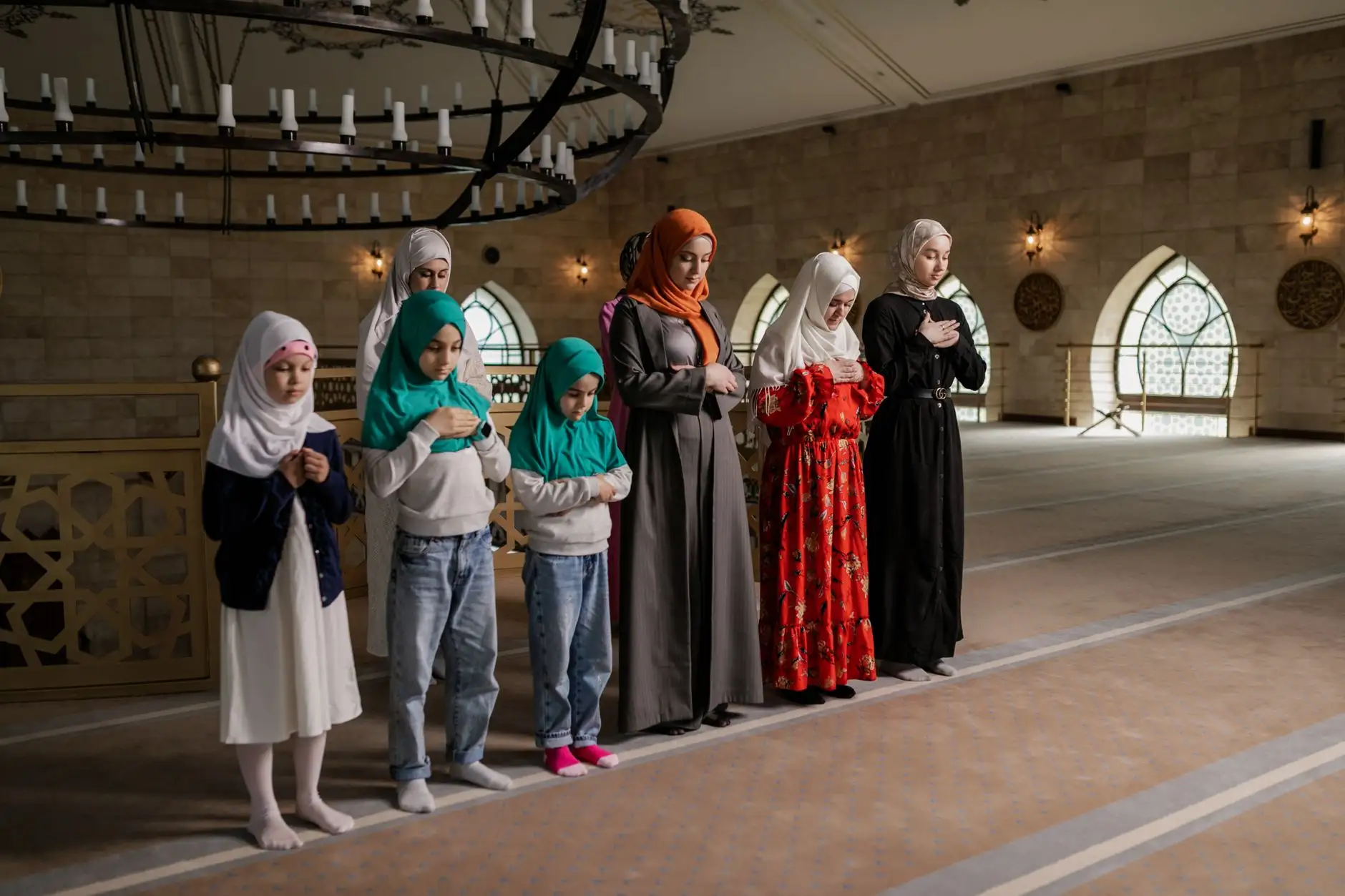
When an entire family experiences the loss of a pillar, the collective grief can be profound. Offering an islamic condolence message tailored to the whole household helps them feel supported by their community.
These words focus on unity, shared prayers and collective sabr as they navigate the void left behind.
- “To your entire family, we send our heartfelt condolences. May Allah wrap your household in tranquility, ease your heavy hearts and grant your departed loved one Jannatul Firdaus.”
- “May Allah grant your family unity, resilience and profound peace during this period of bereavement. We pray that your shared memories bring comfort.”
- “Losing such an honorable member of our community leaves a deep void. May Allah bless your home with comfort and reward every tear shed with high ranks in Jannah.”
- “May Allah bless your parents, siblings and children with immense patience. May the Almighty compensate your grief with His divine grace and mercy.”
- “Our hearts ache alongside yours. May Allah grant your noble family strength and bless your beloved with an eternal garden filled with shade and rivers.”
- “May Allah unite your hearts in prayer and remembrance, and may He answer every supplication made for your precious departed family member.”
- “May the Almighty give your family the fortitude of Prophet Ya’qub and bestow upon you sweet patience through every quiet evening.”
Meaningful Islamic Condolences Messages for Friends and Colleagues

Reaching out to a Muslim coworker, neighbor or dear acquaintance requires warmth coupled with respectful spiritual awareness. Using thoughtful islamic condolences messages lets them know you understand the spiritual dimensions of their mourning while offering practical solidarity.
- “Dear friend, my heart aches for your profound loss. May Allah ease your pain, envelop you in His tender mercy and illuminate your path forward.”
- “Working alongside you has shown me your strength, yet grief is a heavy burden. Please know that my prayers are with you and your family every single day.”
- “May Allah grant you comfort during this painful time. Please lean on me for anything you need, whether tasks at work or a listening ear.”
- “Sending you love, warm prayers and heartfelt condolences. May Allah bless the departed soul with peace and surround your family with gentle support.”
- “I am deeply saddened by your loss. May Allah grant your beloved forgiveness and reward you generously for your beautiful patience.”
- “Please accept my sincere condolences. May Allah provide you with patience that outlasts this storm and peace that calms your troubled spirit.”
- “May Allah turn your sorrow into spiritual elevation and surround you with friends who hold your hands through this testing period.”
Short Muslim Condolence Message Ideas for Text and Cards

Sometimes you need a brief yet impactful message to send via SMS, instant messaging or a sympathy card. A concise muslim condolence message carries immense weight when sent with pure intentions and prompt care.
- “Inna lillahi wa inna ilayhi raji’un. Thinking of you and praying for your beloved’s highest place in Jannah.”
- “May Allah forgive their soul, ease their journey in the hereafter and grant you immense sabr.”
- “Sending deepest condolences. May Allah grant your heart peace and bless your departed loved one with divine mercy.”
- “May Allah grant them Jannah and comfort your family with patience. You are in my continuous thoughts.”
- “Inna lillahi wa inna ilayhi raji’un. May Allah fill their grave with nur and grant you strength.”
- “Heartfelt sympathies on your loss. May Allah shower His unconditional mercy upon their departed soul.”
- “May Allah grant you tranquil days and replace your sadness with beautiful memories and divine blessings.”
- “Praying for your peace and endurance. May Allah welcome your loved one with open gates in paradise.”
How to Write a Sincere Condolence Message for Muslim Friends

Writing a genuine condolence message for muslim friends or colleagues means honoring their belief in the temporary nature of earthly life (Dunya) and the permanence of the eternal home (Akhirah).
While grief is entirely natural and tears are recognized in our tradition as a sign of tenderness, the Islamic perspective centers on returning to Allah.
To craft an authentic sympathy message, consider including three key elements:
- Acknowledgment of Allah’s Will: Beginning with or referencing “Inna lillahi wa inna ilayhi raji’un” aligns your sympathy with the Quranic perspective of ultimate return.
- A Dua for the Deceased: Ask Allah specifically to forgive their sins (Maghfirah), expand their grave with heavenly light (Nur) and grant them paradise (Jannatul Firdaus).
- A Dua for the Grieving Family: Request patience (Sabr Jameel) and solace for those who remain, recognizing their emotional pain without invalidating their natural sorrow.
Islamic Etiquette of Ta’ziyah: What to Do and Say
The practice of Ta’ziyah represents one of the most compassionate communal duties in Islam. It is sunnah to console the family of the deceased for up to three days, offering them emotional support, warm food and quiet presence. The Prophet Muhammad (peace be upon him) instructed companions to prepare food for the family of Ja’far when news of his martyrdom arrived, noting that they were preoccupied with calamity.
When comforting someone in person or through written messages, avoid asking invasive questions about the death or discussing worldly inheritance matters.
Avoid telling the bereaved not to cry, because our beloved Prophet shed tears when his infant son Ibrahim passed away, declaring that the eyes shed tears and the heart grieves, but we say only what pleases our Lord.
Keeping your message focused on du’a, forgiveness and practical assistance honors the dignity of the grieving household.
Frequently Asked Questions
What is the standard Arabic condolence phrase in Islam?
The most widely spoken Arabic condolence phrase is “Inna lillahi wa inna ilayhi raji’un,” meaning “Surely we belong to Allah and to Him we shall return.” People also say “Adhamallahu ajrakum,” which translates to “May Allah magnify your reward and grant you comfort.”
How do you reply to an Islamic condolence message?
You can respond warmly by saying “JazakAllahu Khairan” (May Allah reward you with goodness), “Ameen, thank you for your prayers” or “Shukran, may Allah bless you and protect your family from sorrow.”
Can I send flowers with an Islamic condolence card?
While sending flowers is common across many cultures, the most appreciated gestures in Islam are sincere supplications, preparing home-cooked meals for the family and giving charity (Sadaqah Jariyah) on behalf of the deceased person.
Is it permissible to cry when someone dies in Islam?
Yes, crying and feeling deep sorrow are completely natural and permissible in Islam. The Prophet Muhammad wept during the loss of his family members. What is discouraged is loud wailing, tearing clothes or uttering words of despair against Allah’s decree.
How long should you comfort a grieving Muslim family?
The traditional period for offering condolences (Ta’ziyah) is three days following the burial. However, if you live far away or learned of the bereavement later, you may convey your heartfelt condolences whenever you hear the news.
Can non-Muslims use these Islamic condolence phrases?
Yes, non-Muslim friends and coworkers can respectfully share these messages or quotes. Muslim families deeply appreciate when friends make the thoughtful effort to offer comfort that respects their faith traditions and beliefs.
Conclusion
Navigating the departure of someone dear brings immense sadness, yet the words we choose have the power to lift broken spirits and remind grieving hearts of Allah’s mercy.
A thoughtful islamic condolence message conveys more than conventional sympathy; it is a sacred prayer for forgiveness, heavenly reunion and inner fortitude.
Whether you choose a classic Quranic remembrance, a heartfelt dua or a short message for a card, your compassionate presence will be remembered.
May Allah bless the departed souls with eternal peace in Jannatul Firdaus, grant the bereaved comforting patience and reward your kind words with goodness.

Raina Rose is a skilled SEO expert and the founder of BloomZag.com. She specializes in driving organic growth through smart keyword strategies and high-quality content. With a keen eye for digital trends, she helps brands improve visibility and online performance. Her goal is to turn websites into powerful growth engines.